

Post Date:24,Nov,2025
Mildew in polycarboxylate superplasticizer can affect their quality and, in severe cases, lead to concrete quality issues. The following measures are recommended.
1. Select high-quality sodium gluconate as the retarding component.
Currently, there are numerous sodium gluconate manufacturers on the market. Manufacturers with strict production control systems can effectively control residual glucose and Aspergillus niger during production, thereby reducing the risk of spoilage in polycarboxylate superplasticizers formulated with sodium gluconate.
2. Add a suitable amount of preservative.
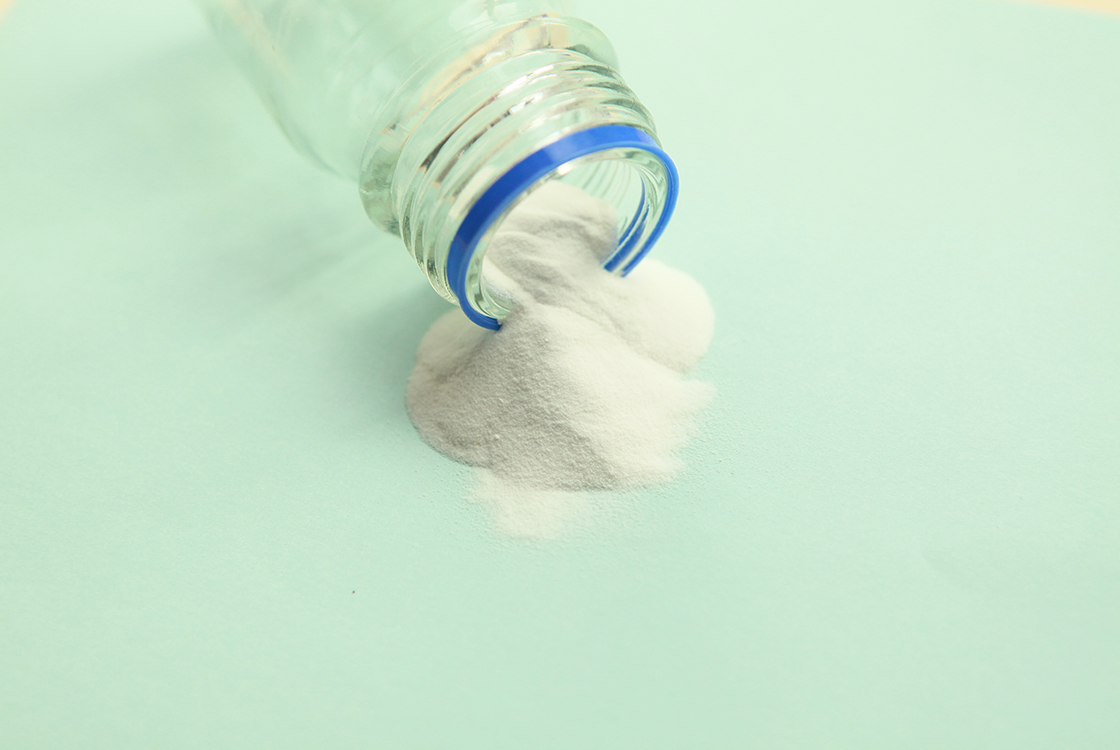
Adding an appropriate amount of preservative during the production of polycarboxylate superplasticizer can effectively prevent spoilage. The main preservatives currently on the market include sodium nitrite, sodium benzoate, and isothiazolinone. Isothiazolinone is widely used, highly effective, and low-toxic. It is a non-oxidizing fungicide with a wide pH range, making it an ideal choice for preventing and sterilizing superplasticizers. The dosage is 0.5-1.5 kg per ton of polycarboxylate superplasticizer.
3. Pay attention to the storage environment.
Store polycarboxylate superplasticizer in a cool, well-ventilated area away from direct sunlight. A test was conducted in which one portion of polycarboxylate superplasticizer was placed in a cool, sun-proof storage bottle, while another portion was placed in a bottle exposed to direct sunlight. The bottle exposed to direct sunlight quickly molded and turned black.
Also, polycarboxylate superplasticizer storage containers should be made of non-metallic materials, as metal corrosion can cause discoloration and even deterioration. For example, stainless steel tanks can cause the superplasticizer to turn red, iron tanks can cause it to turn green, and copper tanks can cause it to turn blue.
4. Rationally estimate the amount of polycarboxylate superplasticizer used in the project.
On some projects, the rate of polycarboxylate superplasticizer usage is often difficult to control due to factors such as project progress and weather conditions. In some cases, polycarboxylate superplasticizer has been stored on site for over three months or even longer, leading to frequent deterioration. Therefore, it is recommended that manufacturers communicate with the project department regarding the product’s usage schedule and cycle before delivery, ensuring planned usage and a dynamic balance between polycarboxylate superplasticizer consumption and replenishment.
5. Reduce the use of preservatives such as formaldehyde and nitrites.
Currently, some superplasticizer manufacturers use preservatives such as formaldehyde, sodium benzoate, and strongly oxidizing nitrites. While cost-effective, these preservatives are ineffective. Furthermore, formaldehyde can escape over time, temperature, and pH, causing the product to continue to spoil. It is recommended to use high-quality biocides whenever possible. For spoiled superplasticizer storage tanks, thoroughly clean them before replenishing with new polycarboxylate superplasticizer.
In addition, for polycarboxylate superplasticizers with less severe mold, heat treatment, the addition of hydrogen peroxide or liquid caustic soda, or other methods can be used to recycle them. Relevant literature shows that these treatments can restore moldy polycarboxylate superplasticizer to its original properties, achieving a color similar to that of unmolded products and eliminating odors.
Post time: Nov-24-2025