

Severe bleeding during concrete construction 1. Phenomenon: When vibrating concrete or mixing materials with a vibrator for a period of time, more water will appear on the surface of the concrete. 2. Main reasons for bleeding: The serious bleeding of concrete is mainly related to the type of cement used, fineness, amount of cementitious material, sand ratio and water consumption. Excessive water consumption is prone to bleeding, and long vibration time will also cause bleeding. 3. Preventive measures: When preparing concrete, give priority to using cement with better water retention performance, control the slump and water consumption of the mixture, and do not vibrate the concrete for too long. Some fly ash, volcanic ash and other admixtures can be added to enhance the water retention of the concrete mixture. 4. Treatment methods: When bleeding occurs, you should consider reducing the amount of water or changing the proportion of concrete, and remove the water secreted to the surface. When the bleeding is slight, no treatment is required, because a small amount of bleeding can keep the concrete surface moist and reduce the water-cement ratio in the concrete to a certain extent, thereby increasing the actual strength of the concrete.
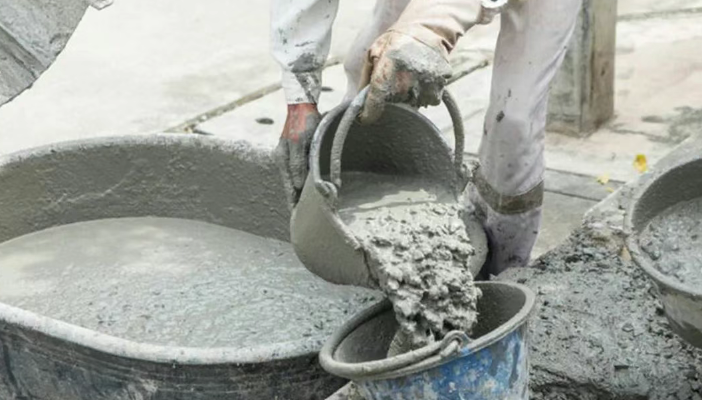
Faults caused by improper use of admixtures
1. Phenomenon:
(1) After the concrete is poured, some or a large area does not solidify and harden for a long time;
(2) The surface of the poured concrete structure bulges;
(3) The slump of the concrete mixture is too small before pouring, making it difficult to pour.
2. Cause analysis:
(1) Too much or uneven addition of slow-setting water-reducing agent (such as wood calcium powder) causes some or a large area of the concrete to fail to solidify and harden for a long time after pouring;
(2) The admixture added to the concrete in dry powder form contains particles that are not ground into powder (such as sodium sulfate particles), which expand when exposed to water, causing the concrete surface to "bloom" and bulge;
(3) The content of the slump-preserving component in the admixture is insufficient, the slump loss is too large, or the initial slump of the concrete mixture is low.
3. Treatment methods:
(1) Admixtures added to concrete should be qualified according to relevant standards and tested to meet construction requirements before use;
(2) The storage time of concrete mixture should be shortened as much as possible to reduce slump loss;
(3) When concrete does not solidify and harden for a long time due to excessive use of slow-setting water-reducing agent, its curing time can be extended and demolding can be postponed (in this case, the later strength of concrete is generally not greatly affected);
(4) When powdered admixtures are used and agglomerated, they should be treated before being used in concrete preparation. For concrete surfaces that have "bloomed", the bulges caused by admixture particles should be removed before repair.
Post time: Sep-22-2025