

Post Date:17,Aug,2026
As a multifunctional additive, sodium gluconate plays a vital role in sectors such as construction, food processing, and the chemical industry, thanks to its stable chemical properties and broad compatibility.
I. Key Product Characteristics
Sodium gluconate is a white crystalline powder that is odorless, tasteless, and highly water-soluble. It possesses stable chemical properties and offers multiple functions—including retarding, chelating, and solubilizing capabilities—while meeting relevant domestic industry standards. Its core features include:
–Excellent Retarding Performance: In concrete engineering, it effectively slows the rate of cement hydration and extends setting times. This helps prevent issues such as cracking and insufficient strength caused by improper construction pacing; it is particularly well-suited for mass concrete projects and construction in high-temperature environments, ensuring high-quality results.
–Outstanding Chelating Ability: It forms stable chelates with metal ions such as calcium and magnesium. Used in fields like water treatment, detergents, and electroplating, it effectively reduces scale formation, enhances cleaning or plating performance, and minimizes production losses.
–High and Stable Purity: Produced via a mature manufacturing process with strict purity controls, the product maintains consistent performance across batches, precisely meeting the application standards of various industries.
II. Primary Application Scenarios
Sodium gluconate is highly versatile and cost-effective. Based on its core characteristics, it is particularly suitable for the following domestic industry applications:
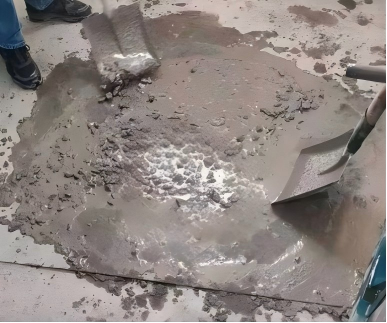
Construction Industry: Used as a concrete set retarder, it is ideal for projects such as mass concrete pours, bridges, tunnels, and super-high-rise buildings. It extends setting times, optimizes workability, and enhances the long-term strength and durability of the concrete.
Water Treatment Industry: Utilized in industrial circulating water and boiler water treatment systems. Acting as a chelating agent and scale inhibitor, it reduces scale deposits, protects equipment, and lowers maintenance costs.
Other Sectors: In industries such as food processing, electroplating, and detergent manufacturing, it serves as a solubilizing or chelating agent, helping to improve product performance and meet diverse production requirements.
Post time: Aug-17-2026