

Post Date:12,Jan,2026
Challenges of Concrete Construction at Low Temperatures
To address the root cause of concrete’s problems at low temperatures, we must first understand its plight. The hardening process of concrete is essentially a chemical reaction (hydration reaction) between cement and water, forming a solid, hardened mass. This reaction is extremely sensitive to temperature.
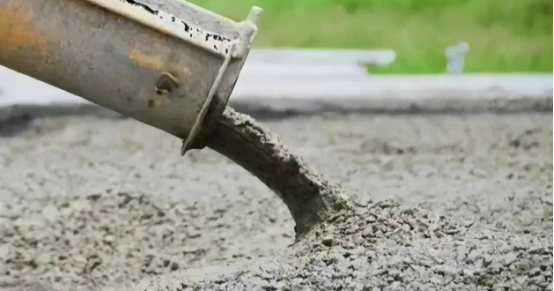
1. Slow Strength Gain: For every 10°C decrease in temperature, the hydration reaction rate approximately halves. This means that at 5°C, the time required for concrete to reach its design strength may be twice as long or even longer than at 20°C, severely impacting formwork removal and subsequent construction progress.
2. Early Freezing Damage Risk: Newly poured concrete contains a large amount of free water. When the temperature drops below freezing, this water freezes and expands by about 9%, creating enormous ice crystal pressure within the concrete. This damages the still-developing internal structure, causing irreversible strength loss. Once frozen, its final strength can be reduced by up to 50%!
3. Exacerbated Shrinkage Cracking: Low humidity and strong winds in autumn and winter cause rapid evaporation of moisture from the concrete surface (plastic shrinkage). The slow internal reaction and rapid surface drying create an uneven surface that easily leads to surface cracking.
4. Difficulty in controlling setting time: Low temperatures prolong the setting time of concrete, which can cause inconvenience for pumping or finishing processes that require a certain amount of time.
Simply put, concrete in autumn and winter is like a baby that is both sensitive to cold and dryness, requiring more delicate care. Concrete additives provide us with a “super baby care toolbox.”
Autumn and Winter Additives Scientific Use Guide
1. Precise Selection, Not Random Addition: Choose the type and dosage of additives based on the weather forecast for the next few days (especially the nighttime minimum temperature) and the characteristics of the engineering structure.
2. Combined Use, Synergistic Effect: Do not view each additive in isolation. Prioritize composite products with multiple functions such as early strength, water reduction, and antifreeze.
3. Strict Control of Dosage and Addition Method: The dosage of additives is usually calculated as a percentage of the mass of cementitious materials (cement, etc.). Precise measurement is essential; adding based on experience (“approximately”) is strictly prohibited. Excessive use may lead to side effects such as excessively rapid setting and strength reduction. Ensure the additive is thoroughly mixed into the concrete.
4. Additives are Not a Panacea; Thermal Insulation and Curing are Key: No additive can replace necessary thermal insulation and curing measures. After pouring, the concrete should be immediately covered with plastic film to prevent water loss, and then covered with insulation materials such as straw mats or rock wool blankets for heat retention and curing. Especially for vulnerable areas such as edges and corners of the structure, enhanced insulation is necessary. The so-called “negative temperature curing” refers to the process where, through the combined action of antifreeze agents and insulation measures, the concrete’s strength rapidly increases to a level sufficient to resist frost damage before it freezes.
Post time: Jan-12-2026